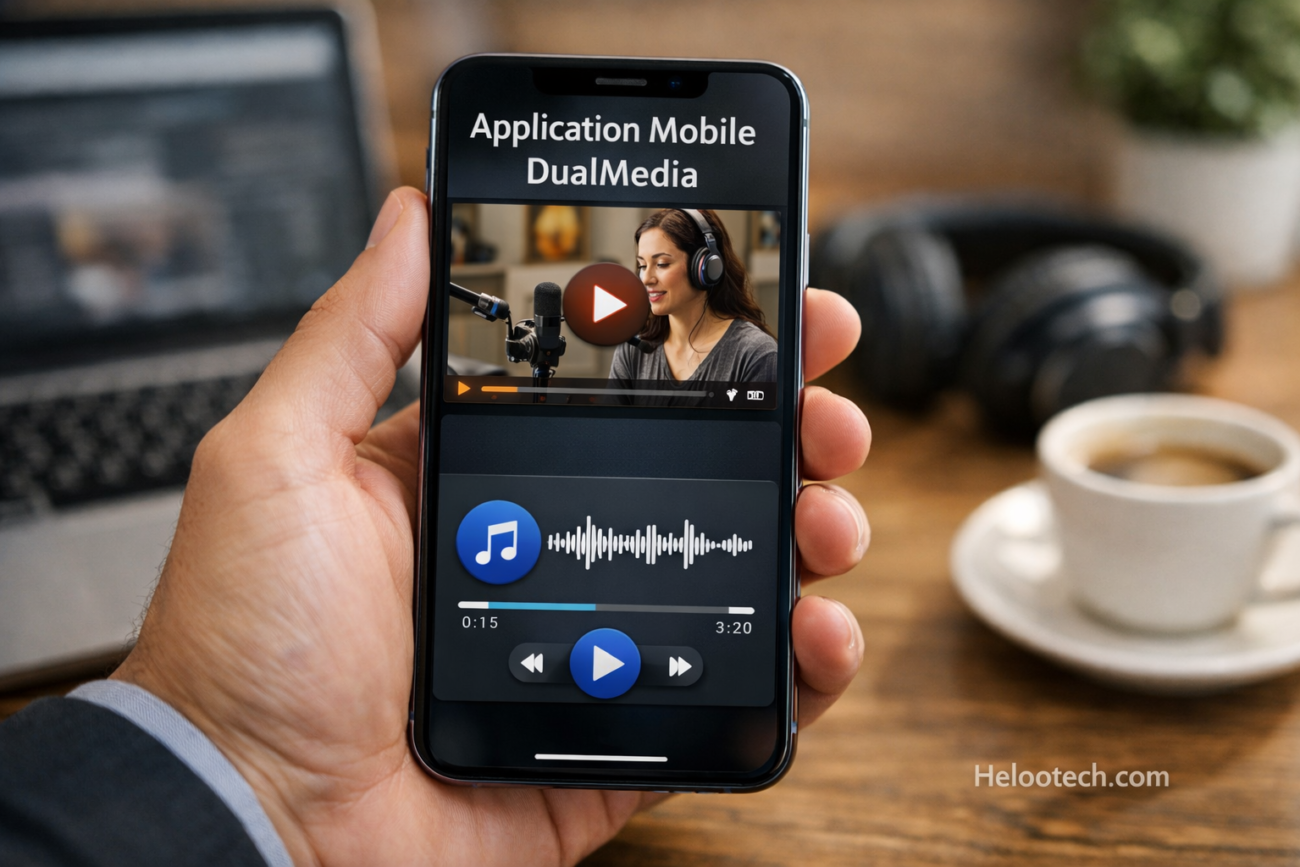
App mobile dualmedia, an innovative term in mobile technology, refers to applications that integrate multiple media formats, mostly audio and video, into a single platform. These apps are designed to let users interact with different content formats without switching between tools and services. A user can listen to a podcast, then switch seamlessly to watch a video related to it within the same app without losing his place. The mobile user of today, who is used to convenience and flexibility when consuming digital content, will find this approach particularly valuable.
Dualmedia applications are built on a sophisticated software architecture. The applications were designed to be able to playback media synchronously, transition smoothly, and simultaneously access different types of content. The app provides a seamless experience by integrating cloud storage and synchronization in real time. Cross-platform frameworks are often used by developers to maximize the impact and reach of dualmedia solutions. This results in a mobile application that is modern and cohesive, and sets a new standard of multimedia engagement.
The dual-media app is not only about mixing media, but also offers advanced features such as interactive overlays and smart recommendations. If a user watches a video, an app may offer the option of switching to audio only for hands-free listen during travel. These apps often provide text summaries and articles that are related, so users can choose the best format for their situation. The flexibility of application dual media sets it apart from other single format apps. This is why the approach has gained traction in many industries.
Why DualMedia Mobile Apps Are Gaining Importance
Dualmedia apps are becoming more popular due to a change in consumer behavior, and to the demand for diverse content. Users of today don’t want to limit themselves to one media type at a given time. They expect to be able to choose between audio, text and video depending on their location and activity. Due to their ability to adapt the experience according to user context, dualmedia apps are becoming increasingly popular with busy professionals, content creators, and students.
- This trend is driven by convenience. Imagine that a person watches a video tutorial on cooking at home and then listens to it as an audio file while buying ingredients in the grocery store. Dualmedia apps allow content to be accessed on multiple devices and in different formats. In the past it was hard to create seamless media continuity, but with new advances in app development this is now possible.
- Dualmedia apps are also being adopted by content creators as well as businesses because they streamline the process of production and distribution. Creators no longer need to create separate content for audio, video and text channels. They can produce the same material and distribute it across all platforms, reaching more people with less effort. Many of these apps are equipped with features that convert videos to audio and generate transcripts. They also optimize the media content for various platforms. This means increased engagement and retention, as well as new revenue opportunities for businesses.
Key Features of DualMedia Mobile Applications
The rich features of dualmedia apps are intended to improve both the user experience and management of content. The ability to create and play multi-formatted content is one of the key features. Users can use the app to record video, then extract audio from it for podcasts and generate automatic captions or transcriptions. Dualmedia apps provide a toolkit that allows creators to be more efficient and produce content in different formats, all without having to leave the app.
Real-time collaboration and interaction is another essential feature. Live streaming, instant messages, and other real-time feedback tools such as reactions and comments are often supported by dualmedia apps. This creates a community, and allows creators to interact directly with their audiences during live sessions. Apps also include intelligent notification systems that keep users up to date on new content, events live, and personalized recommendations. The dynamic interactive media ecosystem represents a major leap in comparison to static, traditional apps.
Dualmedia apps are also transformed by the integration of cloud-synchronization and offline functionality. The user can download or record media to use offline, so they will have it even if there is no internet. The app syncs automatically with the cloud once the device comes back online. It updates progress, adds new content and keeps everything organized. The feature will be especially useful for those who work or travel in places with limited internet access, as well as users who wish to have uninterrupted access at any time.
The Role of Artificial Intelligence and Analytics
Artificial intelligence has been a key element in dual-media app development, providing automation and intelligence for media management. Creators can polish content more quickly with AI features like voice recognition, automatic caption creation, and smart editing. Speech-to-text technologies, for example, can instantly provide transcripts from audio or video recordings. This increases accessibility, and opens up new opportunities to repurpose content. AI can identify key moments within a video and suggest edits. It can even improve audio quality through reducing background noise.
Dashboards that provide creators with valuable insight into the performance of their content are also essential. Creators are able to make more informed decisions by using real-time information on audience demographics and retention of content. Podcasters, for example, might observe that their listeners stop listening after a specific point of an episode. They can use this data to create future content with a higher level of engagement. 1. Businesses can also use real-time analytics to track and measure marketing campaigns. They can even identify growth opportunities within the ecosystem of apps.
Many dualmedia apps also integrate monetization, giving creators the tools they need to earn money directly from their audiences. In-app purchases and subscriptions are popular methods. Some apps offer multiple income streams, including advertising, sponsorship, and pay per view. Dualmedia apps are more rewarding for everyone involved because they give creators, businesses and sponsors full control of their monetization strategy.
Seamless Distribution and Cross-Platform Compatibility
Dualmedia apps simplify the distribution of content across channels. Dualmedia mobile apps come equipped with distribution tools that allow you to upload and format content automatically. The tools adjust the media to fit each platform’s requirements and let creators publish work anywhere with just a tap. 1. It is not only time-saving, but it also helps to ensure brand quality and consistency across all digital platforms.
Dualmedia apps are built with cross-platform compatibility in mind. The developers use APIs and advanced frameworks to make sure that the content is equally readable and functional on Android, iOS and tablets. It adapts the user interface to fit different device sizes, and offers a seamless experience. Apps often include adaptive streaming technology and responsive design, which adapt media quality depending on device and network performance.
Dualmedia apps are even more valuable with their integrated sharing options. The user can share audio and video clips easily with their friends. They can also post highlights on social media or embed the content in third party websites. 2. This feature increases content visibility, engagement and helps creators to grow organically. Dualmedia apps are powerful for both content consumption and community-building.
Security, Privacy, and Trust in DualMedia Apps
Modern dualmedia apps are designed with security and privacy in mind, particularly as more users choose to share their personal and professional information online. To protect media files, developers implement strong encryption protocols. It is common to use end-to-end encrypted content, which makes sure that only those who are supposed to have access can view sensitive material. These security measures can be crucial for creators who work with unreleased or confidential material.
Users have more control over personal data and content with privacy controls. Dualmedia apps allow users to control access, who can download or view their media and how data is used. Regular security updates and transparent privacy policies further strengthen trust between app developers and users. 1. Many apps allow users to create and store content that is sensitive in encrypted vaults. These media vaults are only accessible with biometric or two-factor verification.
To build trust, you must also provide clear channels of communication and reliable customer service. Support teams that are responsive and FAQs with comprehensive answers can make all the difference when users have technical problems or privacy questions. 2. The platforms with dual-media that focus on community involvement and transparency will be more successful in retaining users, attracting positive reviews and competing in a crowded marketplace.
Technical Architecture and Development Costs
Dualmedia apps require a combination of expertise in frontend, backend, and technical architecture. The majority of developers are using cross-platform frameworks like Flutter and React Native that allow a single codebase for both Android and iOS. The approach is a great way to speed up the development process and provide a consistent experience for users. Backend infrastructure includes, for example, cloud-based storage for media files and real-time database for user activities, as well as robust APIs to process and distribute media.
The development of a dualmedia application requires careful planning, including resource allocation. Costs are usually determined by the complexity and scaleability of an app, its feature set, as well as how many features it has.
1. Development costs for a dualmedia app that includes standard audio, text, and video features can be anywhere between $25,000 and $60,000.
2. The cost of more advanced solutions, such as those with AI-powered editing tools, dashboards for analytics, or advanced security features, can range from $100,000 up to $200,000. Annual maintenance costs, bug fixes and new features require an investment between 15-20% of original development costs.
It is important to choose the best technology stack for your business and team. Experienced app developers are needed to help businesses and creators overcome the challenges that come with media management, compatibility across platforms, and security. The app will remain reliable and simple to use with the right cloud infrastructure and testing. Dualmedia apps that focus on quality can provide lasting value, and keep a competitive advantage.
Real-World Applications and Benefits
These apps have a profound impact on the way content is produced, distributed, and consumed in a variety of industries. These apps are a time-saving tool for creators such as educators, podcasters and influencers. Creators no longer have to juggle multiple platforms for recording, editing and publishing content. They can do it all from one mobile app. The simplicity of the platform allows creators to concentrate on their strengths: delivering quality content to audiences.
Dualmedia apps are used by businesses and organizations to improve communication, customer service, and training. Dualmedia is used by e-learning platforms to seamlessly switch between audio summaries and video lectures. These apps are used by retailers and marketers to highlight products with immersive videos, audio guides and behind the scenes stories. This creates a more rich and engaging experience for users.
Dualmedia apps are also beneficial to the end user. The consumer can access their favourite content from anywhere, including at work or at home. 1. Higher satisfaction and loyalty are a result of the ability to change formats seamlessly. 2. Dualmedia apps are a popular choice among digital users today because of their interactive features, personalized suggestions, and social-sharing tools.
The Future of Application Mobile DualMedia
The future is full of opportunities for mobile dualmedia applications. We can expect even more AI-driven technologies as technology evolves, including real-time translation of languages, automatic summarization and customized content feeds that are tailored to each individual’s preferences. 1. Dualmedia apps could be expanded by innovations in virtual and augmented reality, which would allow users to engage with immersive content entirely in new ways.
Dualmedia applications will benefit from the increasing adoption of edge computing and 5G networks. Users can now enjoy HD video and audio in crystal clear quality, as well interactive features, without any delays. The developers will push the limits of what is possible by incorporating new technologies in order to satisfy the changing needs of consumers and creators.
Dualmedia apps will likely become standard in the mobile content consumption and creation space over the next few years. These apps, which combine flexibility, convenience and powerful features will transform the way we learn, connect, entertain and conduct business.
Conclusion
Application mobile dualmedia has revolutionized the way that we share and create digital content for mobile devices. These apps provide users and creators with unprecedented flexibility and convenience by combining audio, text, and video into one seamless platform. The combination of advanced features–like real-time analytics, AI-driven editing tools, secure data protection, and effortless cross-platform distribution–ensures that dualmedia applications are equipped to meet the demands of modern content consumption and production.
Dualmedia apps will become a daily necessity for businesses and individuals as user expectations and technological advancements continue to increase. These apps simplify workflows and increase engagement. They also provide new possibilities for interaction and monetization. These applications, which are built on strong technical bases and put a heavy focus on the user experience they provide, not only meet today’s requirements but pave the way for innovations to come in mobile media.
The rise of mobile dual-media applications marks the beginning of a new era in digital entertainment and communication. Dualmedia apps offer practical solutions for content creators, businesses looking to reach audiences or users seeking more flexible media experiences. By embracing this technology, you can stay on top of the ever-changing world of mobile media.
